
ServicesFirst-Time Homebuyer Loans
First-Time Homebuyer Loans in South Fulton, GA
A first purchase brings unfamiliar terms like DTI, PMI and cash to close. We turn each one into plain numbers: the programs your credit and savings qualify for, the true down payment and closing costs, and what pre-approval takes. Then we help you earn a letter sellers respect.
What a first-time homebuyer loan actually is
No lender offers one product named a first-time homebuyer loan. The label describes several programs built to make a first purchase possible with less cash up front: FHA, VA, USDA and conventional loans, including the 3% down options backed by Fannie Mae and Freddie Mac. Most of these programs treat you as a first-time buyer when three years have passed without you owning the property you live in.
We figure out which program suits you and explain the reasoning. A buyer with a 640 score and 5% saved ends up on one path, and a veteran with nothing saved ends up on another. For each option we set the monthly payment, the mortgage insurance and the cash due at closing next to each other, so your choice rests on figures instead of hunches.
We work with buyers in South Fulton, Union City, Fairburn, East Point and the surrounding area, either face to face at our office or over a phone call or video session, whichever fits your schedule.

Our part in a first purchase
- 01
Side-by-side program review
Your numbers go through FHA, conventional, VA and USDA rules wherever you are eligible, and we show what each trade-off costs. FHA accepts lower scores but its mortgage insurance often lasts longer. On a conventional loan, mortgage insurance can come off once you hold 20% equity.
- 02
Pre-approval backed by paperwork
We pull your credit and verify income and assets before issuing a pre-approval, rather than giving a rough guess. Agents and sellers weigh a verified letter far more heavily than a prequalification.
- 03
Down payment help screening
We check your eligibility for Georgia's state down payment assistance program and other local options. We also spell out the repayment terms, income caps and required homebuyer education class that tend to come attached.
- 04
Credit and debt guidance
When your score or debt-to-income ratio falls a little short of a program limit, we name the specific account to reduce or the reporting mistake worth disputing. Then we show how that step opens up more choices.
- 05
Itemized closing costs
We list lender fees, title charges, prepaid taxes and insurance, and escrow deposits one by one. Every line in your cash-to-close total has an explanation.
- 06
Support through signing
We order the appraisal, clear underwriting conditions as they come in, and keep both you and your agent informed until closing day.
Questions about First-Time Homebuyer Loans?
Call(404) 671-4981Signals you are ready for a pre-approval conversation
You are viewing listings with no letter in hand
Plenty of agents ask for a pre-approval before booking showings, and sellers rank offers partly by how solid the financing looks. A letter up front also sets a price range you can truly afford.
You have less than 20% saved
Putting 20% down is optional. FHA begins at 3.5%, certain conventional loans at 3%, and VA and USDA may need nothing down. What you trade for that is mortgage insurance or a program fee, and we put a number on it.
Your credit history is short or has a blemish
A thin file, an older collection account or a score in the low 600s is not an automatic no. It shapes which program works and how your rate gets priced.
Rent is nearing a mortgage payment
Once your rent matches what principal, interest, taxes and insurance would run, one conversation and a real estimate show how the two compare.
You work for yourself or just started a job
Two years of income history is the usual standard, yet a move within the same line of work or a fresh graduation can qualify as an exception. We look at your details before you rule yourself out.
From first call to closing table
- 1
Free consultation
Over the phone, on video or in our office, we go over your income, debts, savings and plans. By the end you know which programs are within reach and which documents to collect.
- 2
Paperwork and pre-approval
Most buyers send two years of W-2s or tax returns, 30 days of pay stubs and two months of bank statements. After we review those and pull credit, your pre-approval letter goes out.
- 3
Signed contract and Loan Estimate
Once a seller accepts your offer, we complete the full application, lock the rate when you give the word and deliver the official Loan Estimate within three business days.
- 4
Valuation and file review
An independent appraiser checks that the property's value backs the contract price, while the underwriter confirms your income, assets and credit. We pass along any conditions right away so the loan keeps moving.
- 5
Closing day
The Closing Disclosure reaches you at least three business days ahead of signing, giving you time to check it against the Loan Estimate. After you sign, the keys are yours.
What sets your rate and cash to close
Two first-time buyers can get very different quotes, because mortgage pricing comes from your file and the property you choose. The factors below carry the most weight. We walk through every one with you before you sign anything.
- Credit score bands
- Lenders price rates and mortgage insurance in tiers by score. Moving up past a line like 680 or 740 can bring both down in a way you notice.
- How much you put down
- More money down means a smaller loan and, on a conventional mortgage, lower monthly mortgage insurance. FHA premiums follow different rules, so we run the comparison with your own figures.
- Program fees
- FHA adds an upfront mortgage insurance premium, which most buyers finance into the loan. VA loans carry a funding fee that some veterans are exempt from, and USDA loans charge a separate upfront fee.
- Discount points and lock length
- Points paid at closing lower the rate, and holding a rate for a longer period can add cost. We calculate how many months it takes for points to pay for themselves.
- Seller help and your closing day
- A seller may cover part of your closing costs up to each program's limit. The amount of prepaid interest you bring also shifts with the date in the month you close.
Questions first-time buyers ask us
How much money should I have saved before buying?
Budget for three things: the down payment, closing costs and a reserve cushion. Down payments run 0% on VA or USDA, 3% on certain conventional loans and 3.5% on FHA. Closing costs come on top of that, although seller concessions or assistance programs may cover some of them. We build a cash-to-close figure from your real numbers.
What is the minimum credit score?
FHA rules permit scores down to 580 with 3.5% down, while conventional loans usually begin at 620. Some lenders add tighter limits of their own, and stronger scores generally earn a lower rate. If you sit just under a threshold, we point out what would raise it.
Will a pre-approval lower my credit score?
The credit pull for a mortgage counts as a hard inquiry and may drop your score by a few points. Scoring models group several mortgage inquiries made within a short period into one, so shopping more than one lender does not multiply the hit.
Should every first-time buyer choose FHA?
Not always. FHA is lenient on credit, but with less than 10% down its mortgage insurance generally stays for the full term of the loan. A buyer with a score in the 700s may pay less over time with a 3% down conventional loan. We put both side by side before you decide.
Can I qualify while paying student loans?
Yes. Lenders look at the monthly payment that goes into your debt-to-income ratio. Loans on income-driven plans or in deferment are counted differently by each program, and we use the rule that applies to your file.
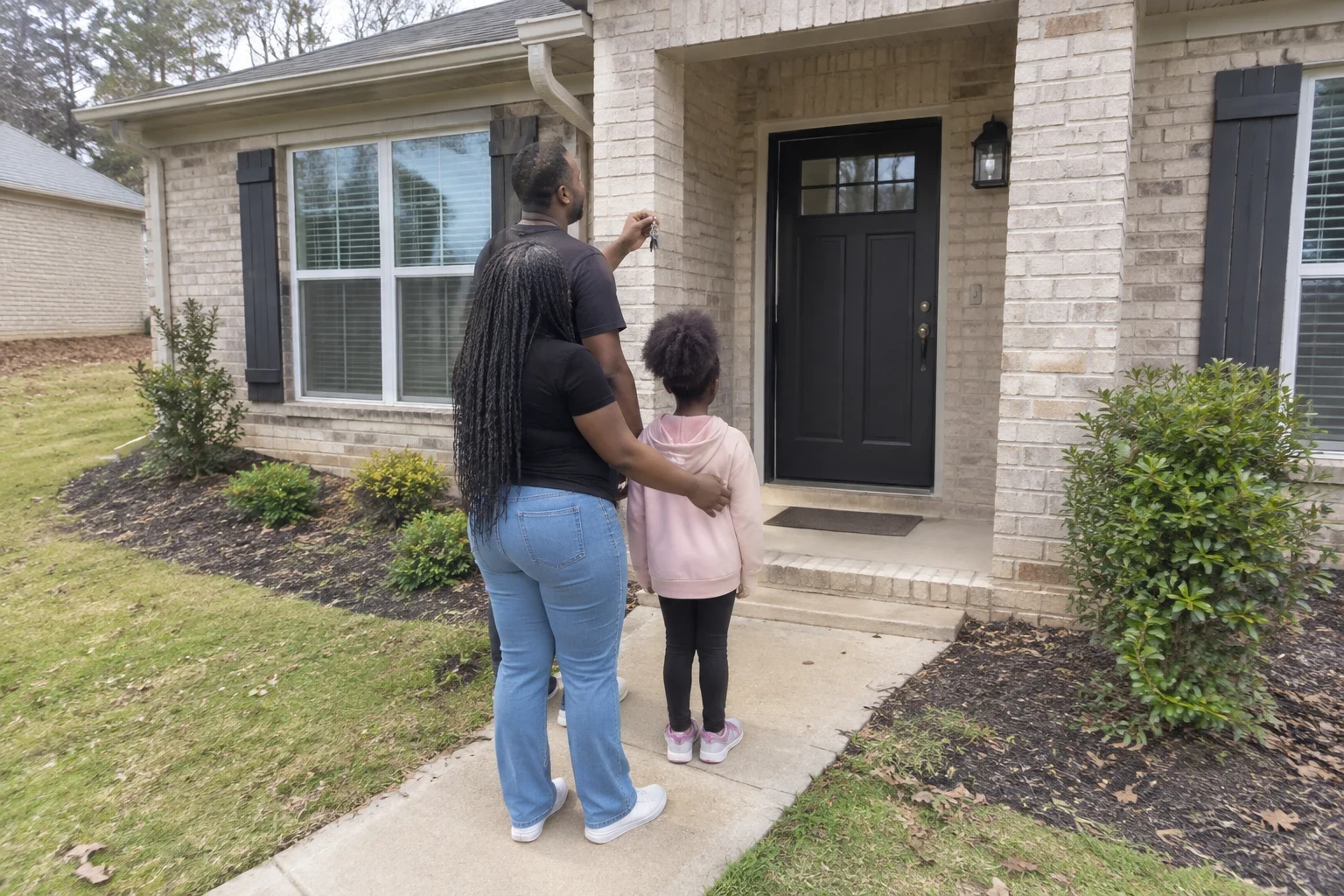
Talk through your first purchase with a loan officer
Phone us and we will set up a callback from one of our loan officers, and the consultation costs you nothing. That conversation covers the programs you qualify for, the cash you will need at closing and the step that comes next.