
ServicesHome Purchase Loans
Home Purchase Loans in South Fulton
We help buyers finance a purchase from the first pre-approval to the closing table. You get a clear read on what you qualify for, which loan program fits and what the monthly payment really includes, before you write an offer.
How purchase financing works and who it suits
When you buy a property, the purchase loan is the money that covers the price beyond your down payment and goes to the seller at closing. Underwriting weighs four pieces: what you earn, what you owe, your credit history and the cash you bring for the down payment and closing costs. Together they decide your program options and the rate you see.
Most buyers end up in one of a handful of programs. Conventional financing fits stable income and good credit. FHA accepts a lower down payment and is more forgiving on credit. VA is for eligible veterans and service members, and USDA covers qualifying properties in less developed areas outside the core of the metro. We lay them next to each other and explain why one costs less for you than another.
Buyers in South Fulton and close by in Union City, Fairburn and East Point can meet us at our office or talk by phone or video.

What our work on your purchase loan covers
- 01
Verified pre-approval
Before we write a pre-approval letter, we go through your pay stubs, W-2s or returns if you are self-employed, recent bank statements and your credit report. Because the letter rests on checked documents, it carries more weight when a seller weighs competing offers.
- 02
Side-by-side program pricing
We run your numbers through conventional, FHA, VA and USDA wherever you qualify. For each, you see the rate, the mortgage insurance and the cash needed at closing, so the comparison is yours to judge.
- 03
Line-by-line payment
A mortgage payment bundles principal, interest, property tax, hazard insurance and, on some loans, mortgage insurance. We break out every piece so the figure on your Loan Estimate matches what you expected.
- 04
Rate lock guidance
After your offer is accepted, we walk through lock periods and when to lock based on your contract closing date.
- 05
Appraisal and condition tracking
We order the appraisal, respond to underwriting conditions and keep your agent informed. That keeps paperwork from piling up in the final days before closing.
Questions about Home Purchase Loans?
Call(404) 671-4981When a purchase loan conversation makes sense
Showings are about to start
Plenty of agents and sellers expect a pre-approval before a tour or alongside an offer. Having it early also shows you the top price you can actually finance.
You do not know how much to put down
VA and USDA can require nothing down, while conventional loans usually ask for more. The right figure depends on the program and how much cash you want to keep for reserves after closing.
Your income or credit is not straightforward
A new job, self-employment, a short credit history or an old late payment rarely ends a purchase on its own. It does change which program fits and which documents the underwriter will request.
An estimate you saw online does not add up
Quick online estimates often skip property tax, insurance and mortgage insurance. A phone call with a loan officer gets you the full payment priced from your real figures.
The steps from your first call to the closing table
- 1
Free consultation
We go over what you want to buy, your income, monthly debts and savings. By the end you have a working price range and the programs worth pricing.
- 2
Pre-approval
On a follow-up call we go through the documents you have gathered, pull credit and run the file through automated underwriting. Then we issue a pre-approval letter for your agent to include with offers.
- 3
Accepted offer and Loan Estimate
Once a seller accepts, we issue your official Loan Estimate within the federally required window and talk through locking the rate. Next we order the appraisal and title work.
- 4
Underwriting to clear to close
An underwriter reviews everything and may ask for fresh statements or a letter explaining a large deposit. Once those conditions are cleared, federal rules give you the Closing Disclosure a minimum of three business days ahead of the signing, so you can check it against your Loan Estimate.
- 5
Closing
You sign the promissory note and the Georgia security deed, the loan funds are sent to the seller and you take the keys.
What sets the rate and closing costs on a purchase
No two purchase files price the same way, because the rate and fees are built from your numbers and the property you pick. Below are the drivers that matter most, and which of them you can move. We quote only after pricing your real scenario.
- Credit score tier
- Lenders price in score bands, so a stronger score usually means a lower rate and less expensive mortgage insurance. If you sit a few points under the next band, we will say whether paying down a card and waiting a month could pay off.
- Down payment and loan-to-value
- More money down shrinks the loan-to-value ratio. On a conventional loan that can lower the rate and drop private mortgage insurance once you reach the right threshold.
- Which program you use
- FHA adds an upfront and an annual mortgage insurance premium. Most VA borrowers pay a funding fee, and USDA charges its own guarantee fee. Each one shifts your cash to close and your monthly payment in a different way.
- Taxes and insurance on the property
- Fulton County property taxes and the hazard insurance premium are collected through escrow each month. That is why two listings with the same asking price can produce noticeably different payments.
- Discount points and lock period
- Points are prepaid interest that buy the rate down, and a longer lock can carry a small added cost. We calculate how many months it takes for points to earn back what you paid, then you choose.
Common questions about purchase financing
How is pre-qualification different from pre-approval?
A pre-qualification rests on the figures you share with us and has not been checked. A pre-approval comes after we verify your income documents, assets and credit. Sellers and listing agents treat a pre-approval as far more reliable, so that is what we suggest having in hand before you make offers.
Does a mortgage credit check lower my score?
A hard inquiry may trim your score slightly for a short time. Credit scoring models group mortgage pulls that happen inside a short shopping window and count them as one event. Checking rates with two or three lenders in that window affects your score about the same as checking with one.
How long until I can close on a purchase?
The timeline is set by your contract closing date, when the appraiser can get out and how fast underwriting conditions are answered. Gathering your paperwork up front at pre-approval does more than anything else to keep the file on schedule.
Can the seller pay part of my closing costs?
In many cases, yes. Seller concessions are written into the purchase contract, and every loan program sets a maximum the seller may contribute. We give you that limit before your agent drafts the offer so the request fits the rules.
I have never bought a property before. Should I read a different page?
You may want to. Our First-Time Homebuyer Loans page goes into down payment assistance and the questions new buyers raise most often. This page explains purchase financing for buyers at any stage.
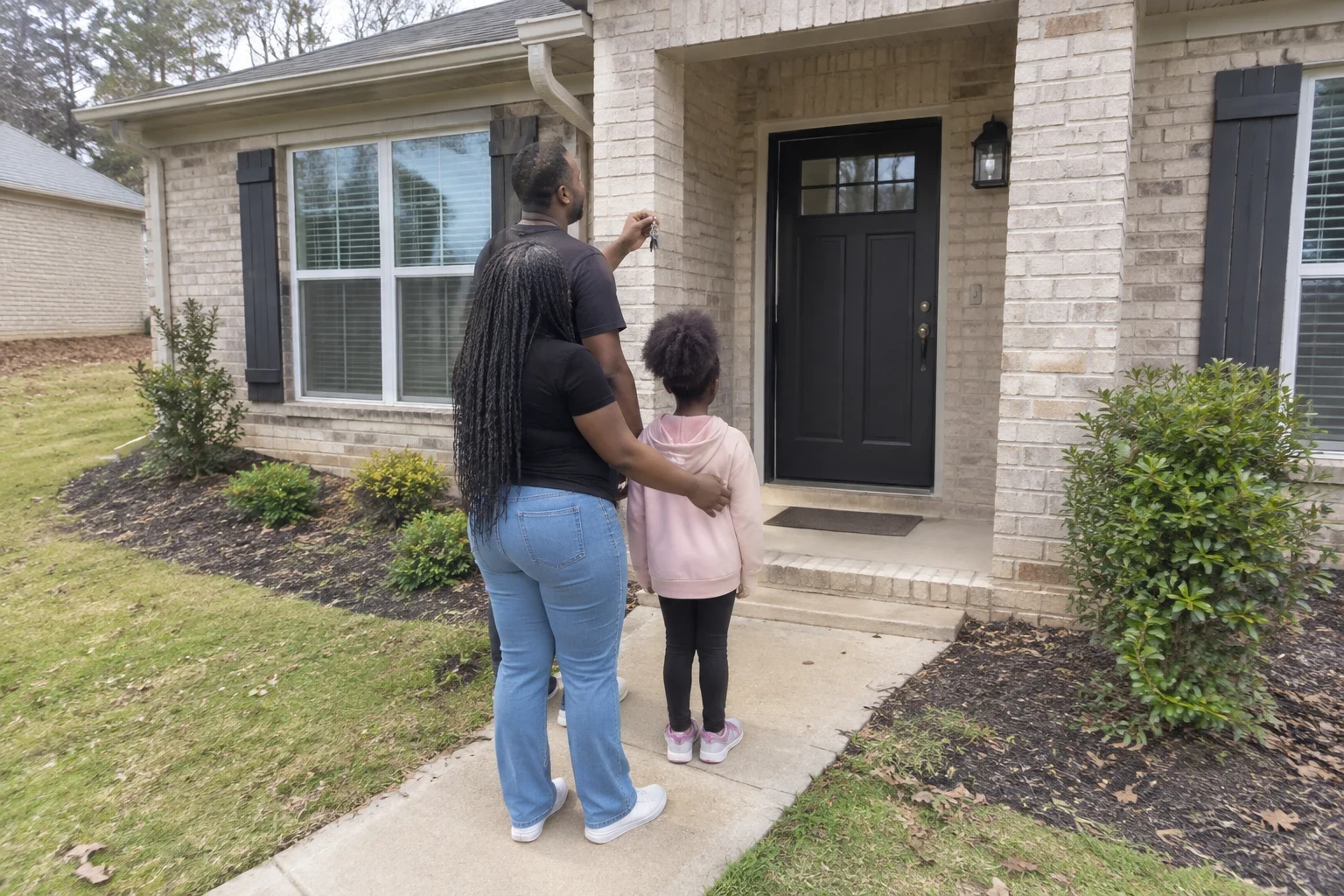
Get your purchase numbers before you write an offer
Phone us and we will set up a callback with a loan officer who prices your purchase across every program you are eligible for. There is no charge for the consultation.